3 hr 30 min
Uvita Whale & Dolphin Watching Boat Trip with Snacks and Drinks
Sail Marino Ballena National Park spotting whales, dolphins, turtles & seabirds — snacks and drinks included.
Reserve
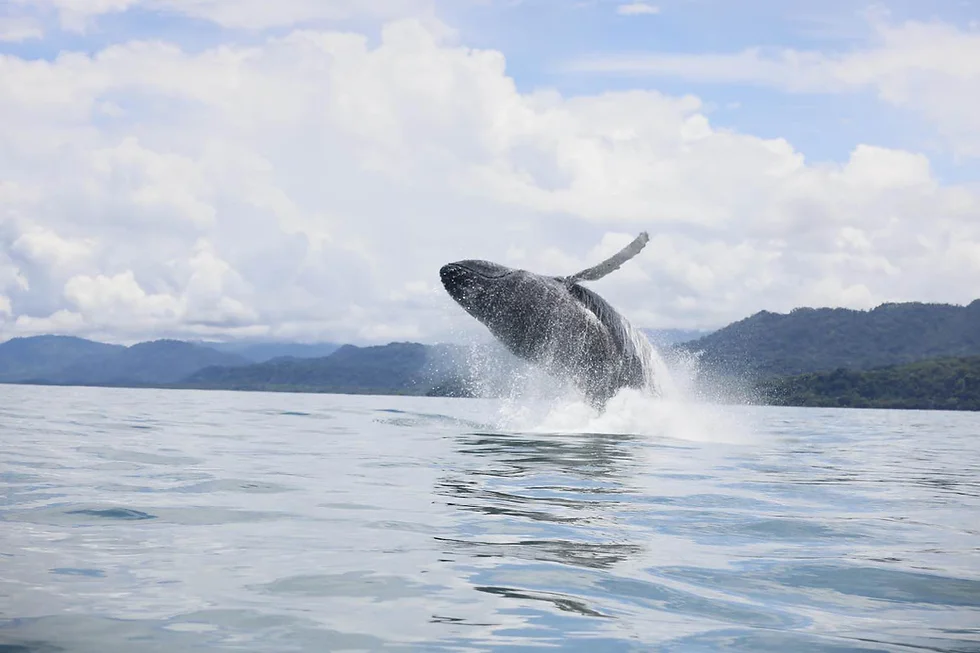
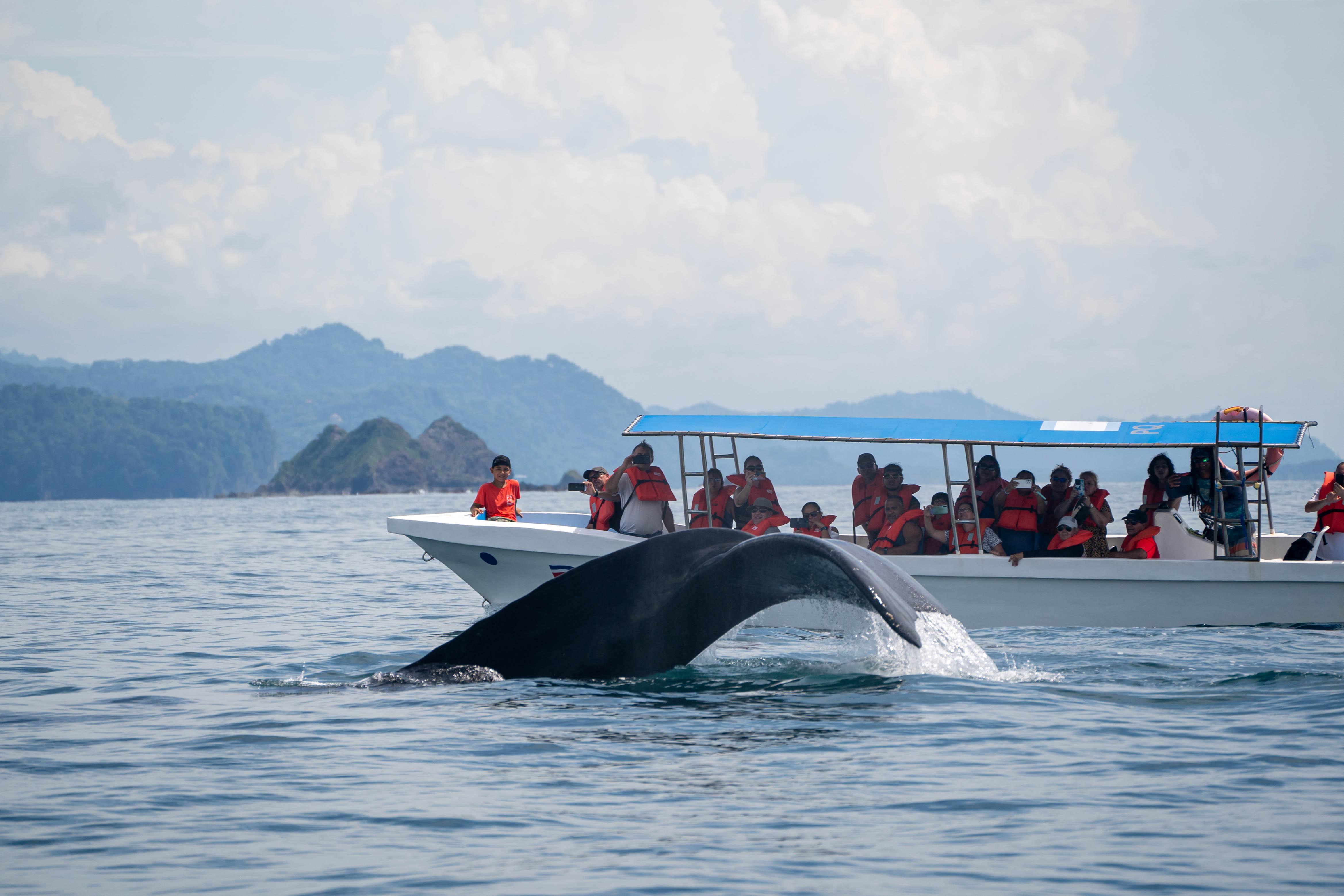
Humpbacks surface beyond the sandbar, the tide writes a tail.
Hand-picked by our editors — only the best 12 experiences from 140 reviewed.
Verified partners for Uvita Whale Watching tours, free cancellation where available, and instant confirmation on every booking.
3 hr 30 min
Sail Marino Ballena National Park spotting whales, dolphins, turtles & seabirds — snacks and drinks included.
Reserve
3 hr
Spend 3 hours searching for humpback whales, dolphins, and sea turtles off Costa Rica's Pacific coast.
Reserve
3 hr
Spend 3 hours on Costa Rica's South Pacific spotting humpback whales, dolphins & sea turtles.
ReservePrices from verified partners. Availability updates in real time at checkout. Free cancellation policies apply where shown.
The landmarks, rooms, and views travelers on Uvita Whale Watching tours remember — all visible on a single visit.
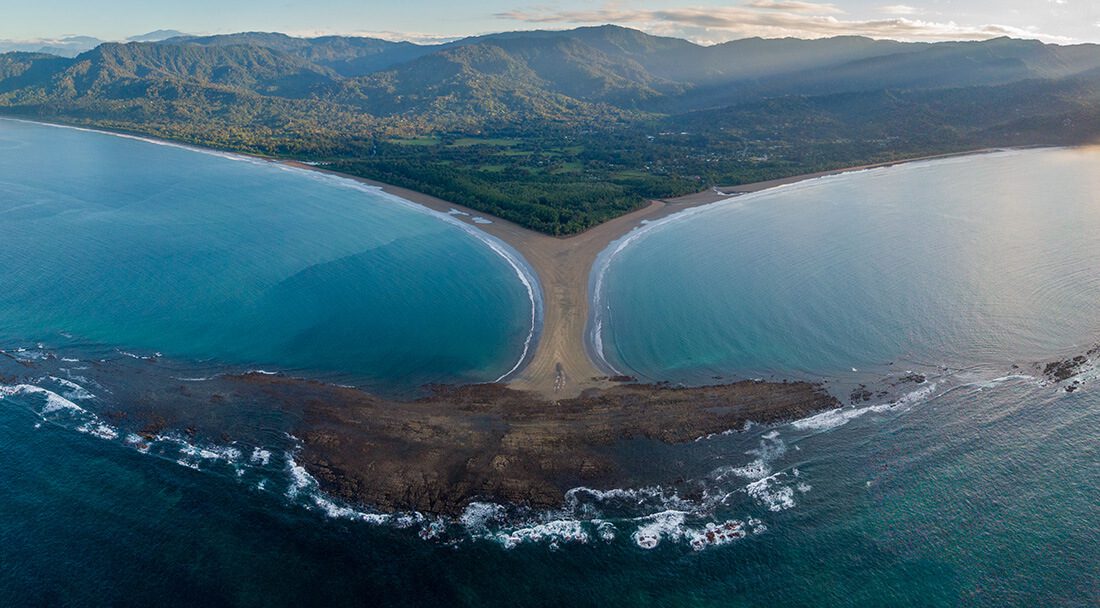
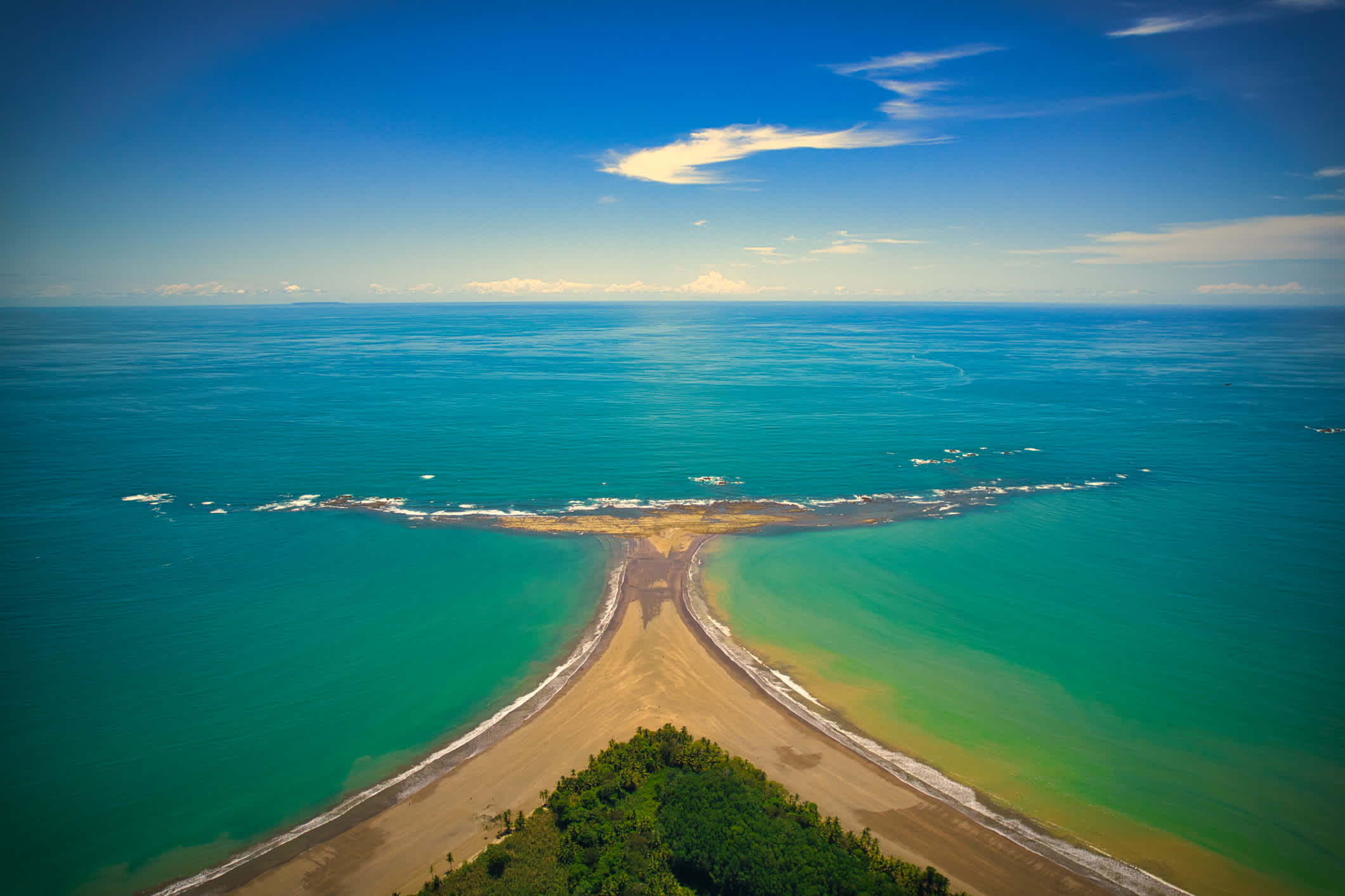
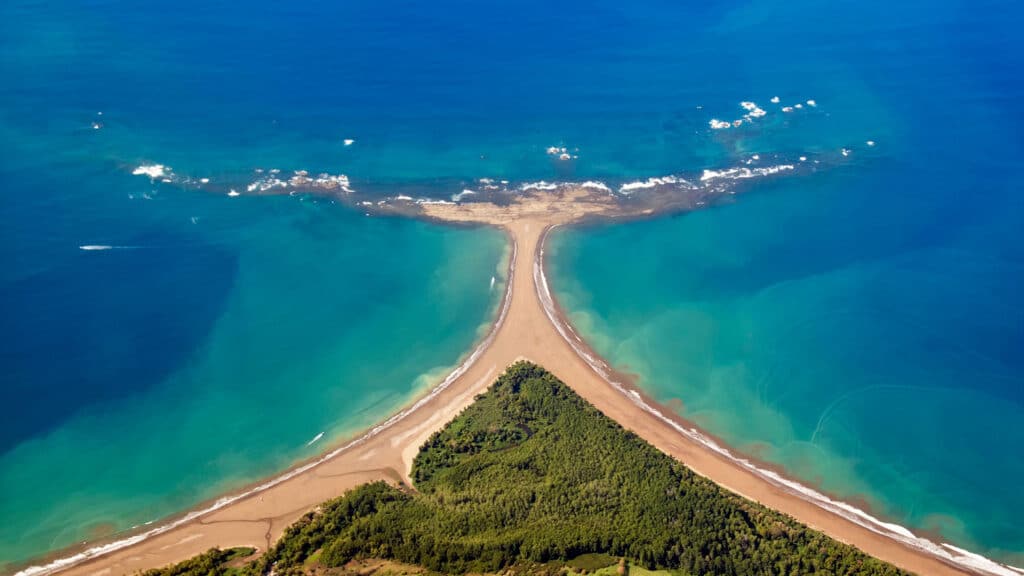
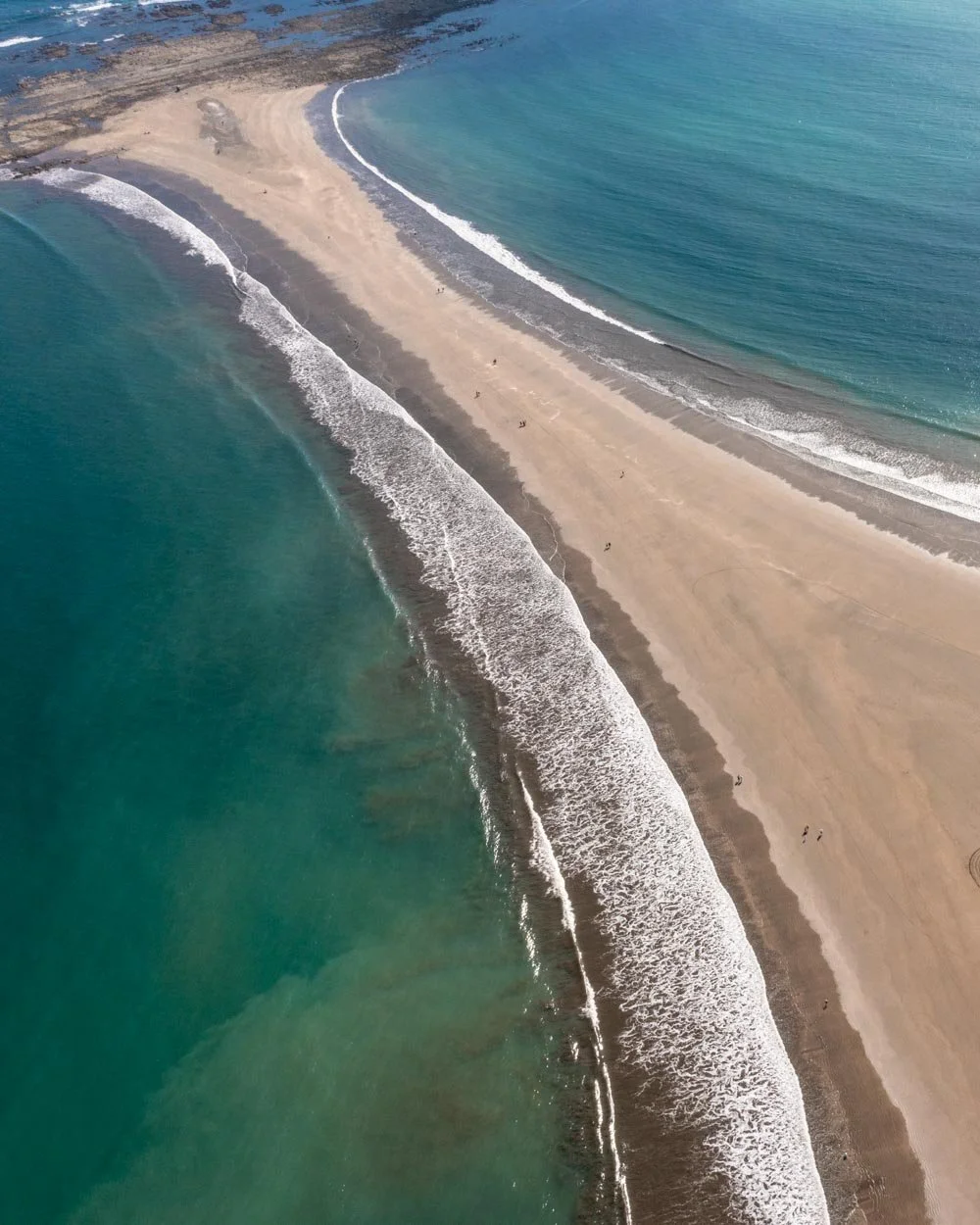
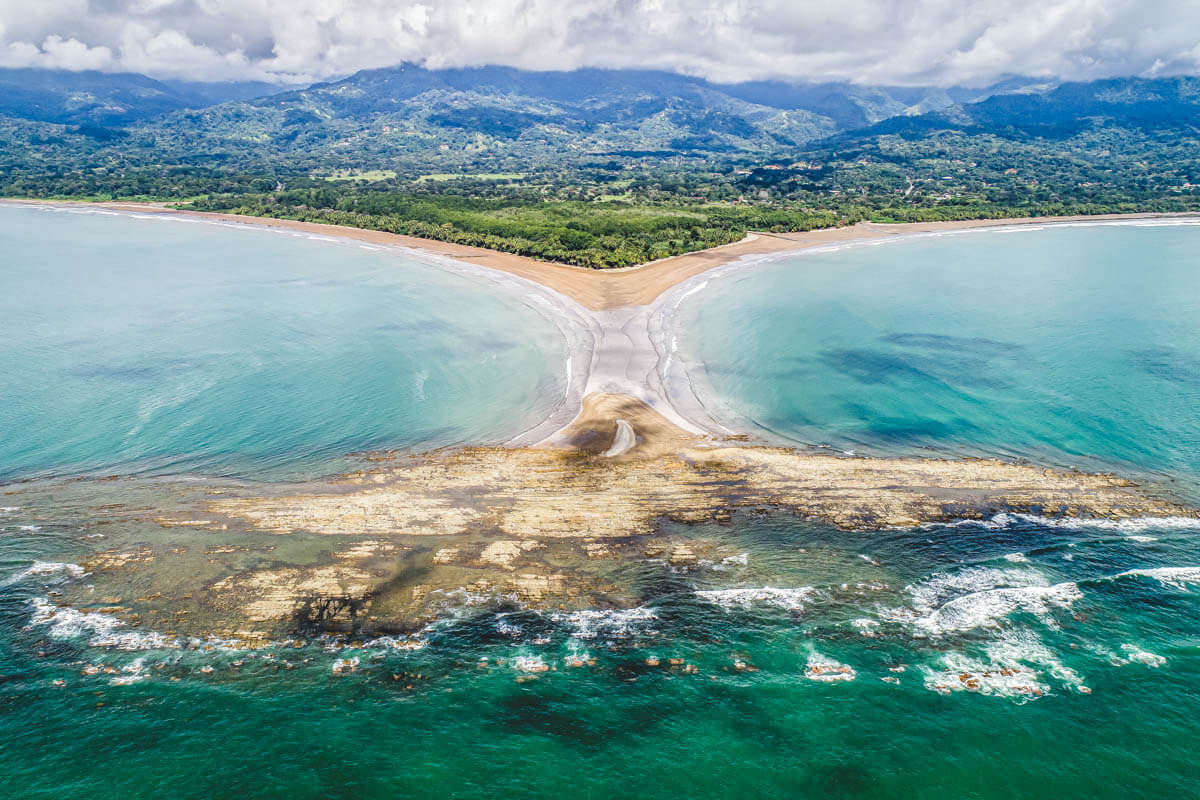
A unique tombolo formation that extends 1 km into the Pacific at low tide.
A rocky island refuge home to nesting birds and vibrant coral reefs.
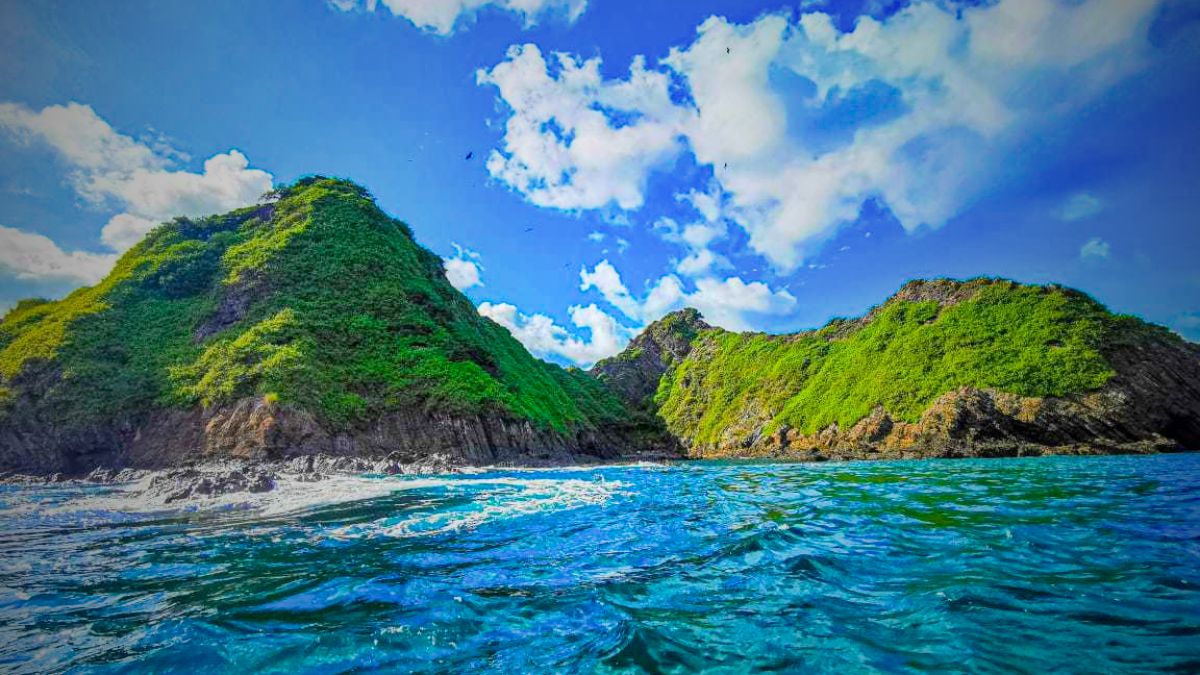
Three distinct rock formations providing a critical habitat for seabirds.
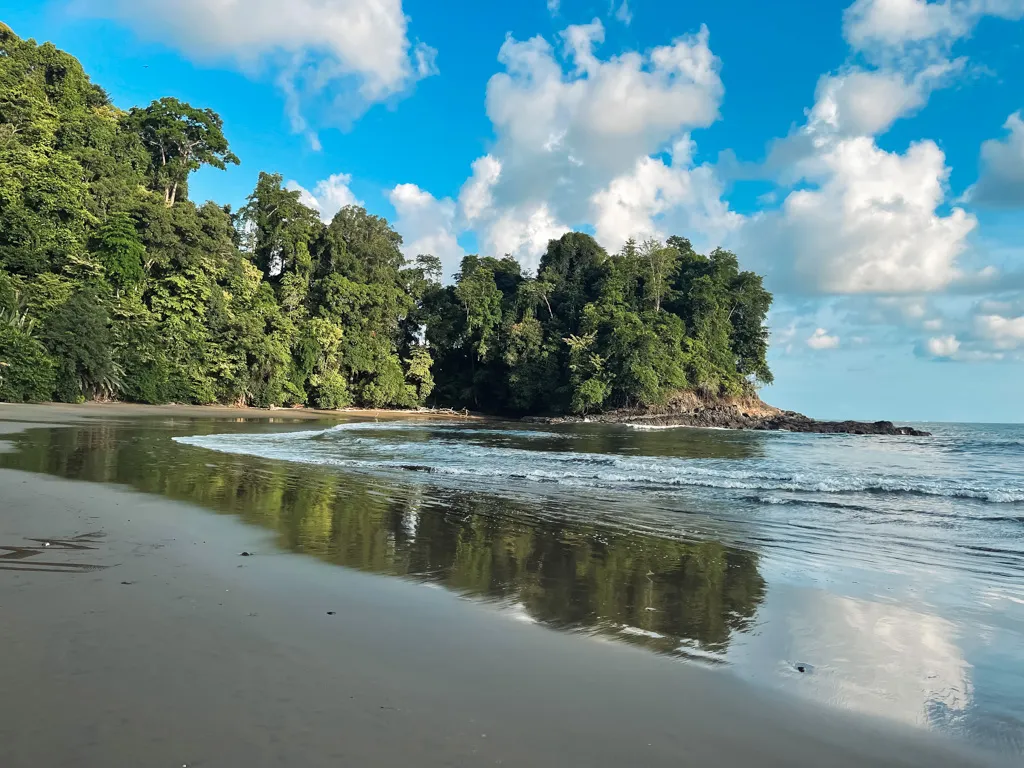
A secluded stretch of coast framed by dramatic cliffs and lush jungle.
Every Uvita Whale Watching tour side-by-side — duration, what's included, how you redeem.
| Experience | From | Duration | Rating | Guide | Small group | Free cancel. | Price | |
|---|---|---|---|---|---|---|---|---|
|
Standard Entry Most popular
Uvita Whale & Dolphin Watching Boat Trip with Snacks and Drinks
|
— | 3 hr 30 min | ★ 4.5 | — | — | ✓ | €82 | Book → |
|
Standard Entry
Whale Watching in Marino Ballena National Park
|
— | 3 hr | ★ 4.5 | ✓ | ✓ | ✓ | €91 | Book → |
|
Standard Entry
Marino Ballena Whale Watching & Wildlife Tour from Uvita
|
Uvita | 3 hr | ★ 4.7 | ✓ | — | ✓ | €83 | Book → |
All prices from verified partners. Availability and exact terms confirmed at checkout.
Boat-based uvita whale watching tours provide superior proximity to marine life, while shore spotting at the Whale Tail offers unmatched flexibility and solitude. Most visitors who do both find the boat excursions provide a more visceral connection to the ocean giants.
| Feature | Top pick Boat Tour | Shore Spotting |
|---|---|---|
Proximity to whales |
High (direct encounter) | Low (distant observation) |
Cost |
Varies by operator | 6 USD (conservation fee) |
Flexibility |
Fixed schedule | High (self-paced) |
Equipment needed |
Camera and sunscreen | Binoculars and footwear |
Boat travel requirement |
Required | None |
Physical exertion |
Low | High (tide-dependent hike) |
| See tickets → |
Verdict: Select a professional uvita whale watching tour for intimate sightings, or choose shore-based viewing at the Parque Nacional Marino Ballena for a budget-friendly and independent maritime landmarks experience.
Choose your ticket, select your date, and reserve in under two minutes. Secure checkout handled by our verified partner.
Instant confirmation by email, with a mobile voucher you can save offline. No printing, no queuing at a collection desk.
Arrive at the entrance, show your voucher on your phone, and walk in. Most tickets include priority or skip-the-line access.
Practical details for Uvita Whale Watching tickets straight from our verified partners — hours, access, rules, and how to get there.
Parque Nacional Marino Ballena, Uvita
Main gate for all visitors
Open in Google MapsDrive along the Costanera Sur (Route 34) to reach Uvita; parking is available near the main entrance.
Buses from San José to Uvita run daily along the coastal highway.
Wear light, moisture-wicking clothing and secure footwear suitable for sandy terrain. A light rain jacket is recommended for afternoon showers common in Uvita during the green season.
Small daypacks are permitted, but keep valuables secure or with you at all times. There are no lockers available inside the park for uvita whale watching visitors.
Photography of marine life is encouraged, but maintain a respectful distance from all wildlife. Drone use is strictly prohibited within the national park boundaries.
The beach terrain at the park can be difficult to navigate for those with mobility issues due to sand and tide-dependent pathways. Please consult with your guide for assistance during your uvita whale watching tour.
Mobile reception is generally good, but keep your device charged for navigation and tide tracking. A power bank is recommended for long days out on the water.
The park is family-friendly, though children should be supervised closely near the water. Note that there is no shade on the sandbar during your uvita whale watching visit.
Bring sufficient water and snacks, as facilities inside the park are limited. Please carry out all trash to keep the area pristine for future uvita whale watching tours.
Pets are not allowed inside the national park to protect the local fauna. Service animals may be granted access with prior documentation.
Respect the marine sanctuary by not touching or feeding any animals observed. Check the local tide table daily to ensure you can reach the iconic Whale Tail landmark.
Best time to go, insider tips, nearby landmarks, and the cancellation fine print — flip through to skim what matters to you.
How crowds, weather, and events shift across the year.
Peak months for southern humpback whale sightings with high activity levels.
Dry season offering sunny skies and northern humpback whale migration.
End of the southern season with thinning crowds and lush landscapes.
Start of the southern whale season with first annual sightings.
Small details that turn a good visit into a great one.
The Whale Tail is only fully accessible during low tide. Plan your visit accordingly to ensure you can walk to the end of the sandbar.
During peak months of August and September, popular uvita whale watching tours fill up quickly. Secure your spot weeks in advance.
Even in the dry season, weather can change quickly. Always carry a waterproof bag for your electronics during uvita whale watching trips.
The sun is intense on the open water and sandbar. Wear high-SPF sunscreen and a brimmed hat for your uvita whale watching experience.
Never pressure boat captains to approach whales closer than legal limits. Ethical uvita whale watching depends on maintaining a safe distance.
Non-bookable sights within a short walk — free to visit, easy to pair.
Secluded beach accessible only at low tide with stunning rock formations.
A natural cascade perfect for a quick refreshing dip near town.
A protected island habitat featuring rich coral reefs and birdlife.
A quiet extension of the park area ideal for sunset walks.
Flexible, no hidden fees.
Tickets for uvita whale watching tours are non-refundable once purchased. Ensure your schedule aligns with the 6 USD per person conservation fee requirements before buying at the gate.
Hand-picked options within walking distance — pick a district for vibe, or a specific hotel for convenience.
Boutique hillside villas offering panoramic ocean views.
Various eco-lodges situated near the park entrance.
Secluded luxury villas set in the lush coastal forest.
The sandbar at Punta Uvita draws a shape from the air that no engineer designed: a humpback's fluke, roughly 800 metres long, formed where two ocean currents drop their sediment against a rocky spit. The resemblance is a coincidence of hydrodynamics.
The whales that give the formation its meaning arrived long before anyone photographed it.
Parque Nacional Marino Ballena was declared in 1989, covering some 5,300 hectares of water and a thin ribbon of shoreline between Punta Uvita and Piñuela. It was Costa Rica's first marine national park, created after local fishermen and biologists pressed for protection of the reef shelf and the calving grounds beyond it. Uvita whale watching, as an organised activity, grew out of that decision rather than preceding it. Before the park, the bay was a quiet stretch of the Costa Ballena coast known mainly for its coconut plantations.
What makes the water here unusual is arithmetic. Two distinct humpback populations use the same bay. Northern hemisphere animals travel down from California and Alaska; southern hemisphere animals come up from Antarctic feeding grounds off Patagonia. Their migrations overlap across two long seasons, which is why the uvita whale watching season runs longer than almost anywhere else on the Pacific. The southern migration, peaking through August, September and October, is the larger of the two, and continues into a busy uvita whale watching november period. A northern season follows, so whale watching uvita december through March draws its own visitors, with a smaller uvita whale watching costa rica window around February.
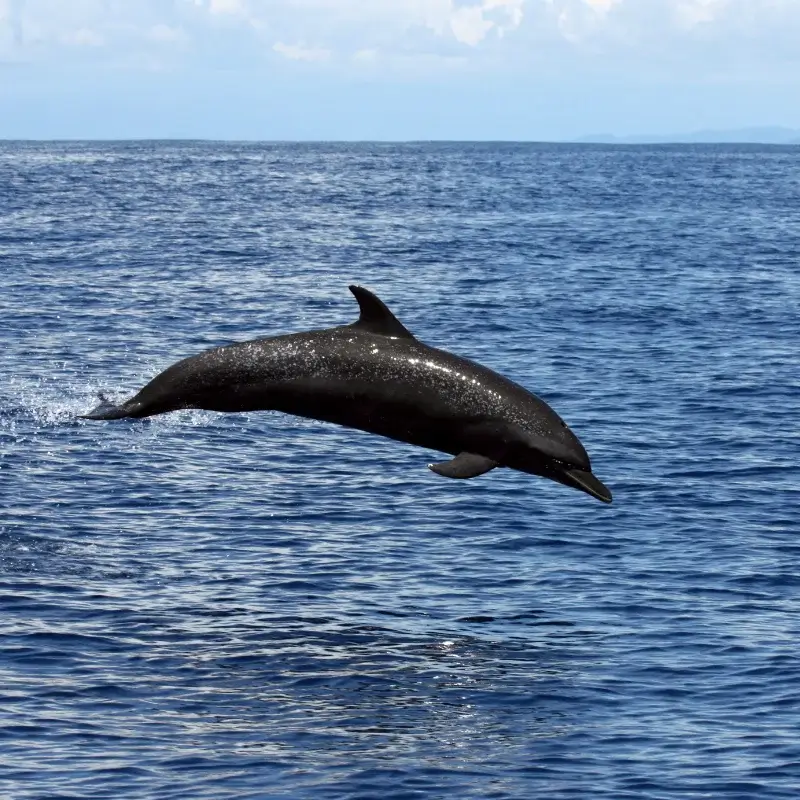
The park protects more than mammals. Its reef holds hard and soft corals, and four sea turtle species — olive ridley, hawksbill, green and, rarely, leatherback — nest along the sand. Bottlenose dolphins and pantropical spotted dolphins work the same water year-round. Frigatebirds and brown boobies roost on Isla Ballena, the rock outcrop a short run offshore, and on the Tres Hermanas formations beyond it.
UNESCO-scale fame never arrived, and the park has stayed modest. Ranger stations sit at Uvita, Colonia, Ballena and Piñuela; a 6 USD conservation fee per person funds their work. The village of Uvita itself has grown into a small service town on the Costanera Sur highway, its economy now tied to the bay it once ignored. The whale tail remains the emblem, but the animal it imitates is the reason the coastline was saved.

"The resemblance is a coincidence of hydrodynamics; the whales that give the formation its meaning arrived long before anyone photographed it."
A step-by-step walkthrough of Uvita Whale Watching tickets — what you'll see, how long each stage takes, and the details that matter.
You reach the ranger station at Parque Nacional Marino Ballena, Uvita, Puntarenas, and pay the 6 USD conservation fee per person. The gates run 07:00–18:00, and the counter is quiet if you come early.
Aim for the 07:00–11:00 window: it keeps you ahead of the midday heat and puts you on the sand when the tide is low enough to walk the Whale Tail.
You follow the shaded track through beach almond and coconut palms, maybe eight minutes, until the trees end and the sandbar opens out. Ahead of it the tombolo narrows to a spine of wet sand and cobble, then widens into the fluke itself. You walk it out, perhaps 800 metres, water on both sides, pelicans working the shallows. At the far end the rock shelf appears, pocked with tide pools holding urchins, small crabs and trapped reef fish.
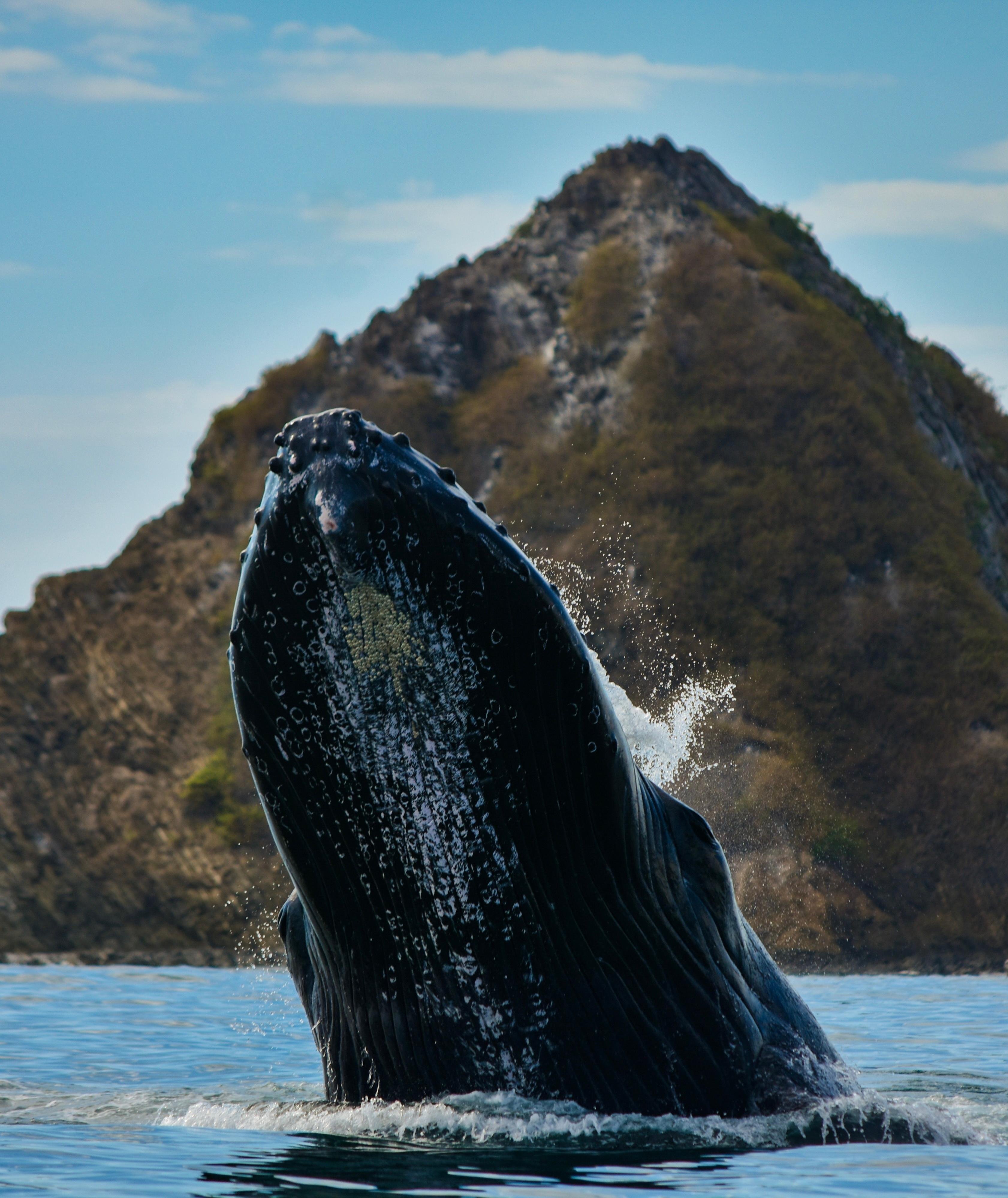
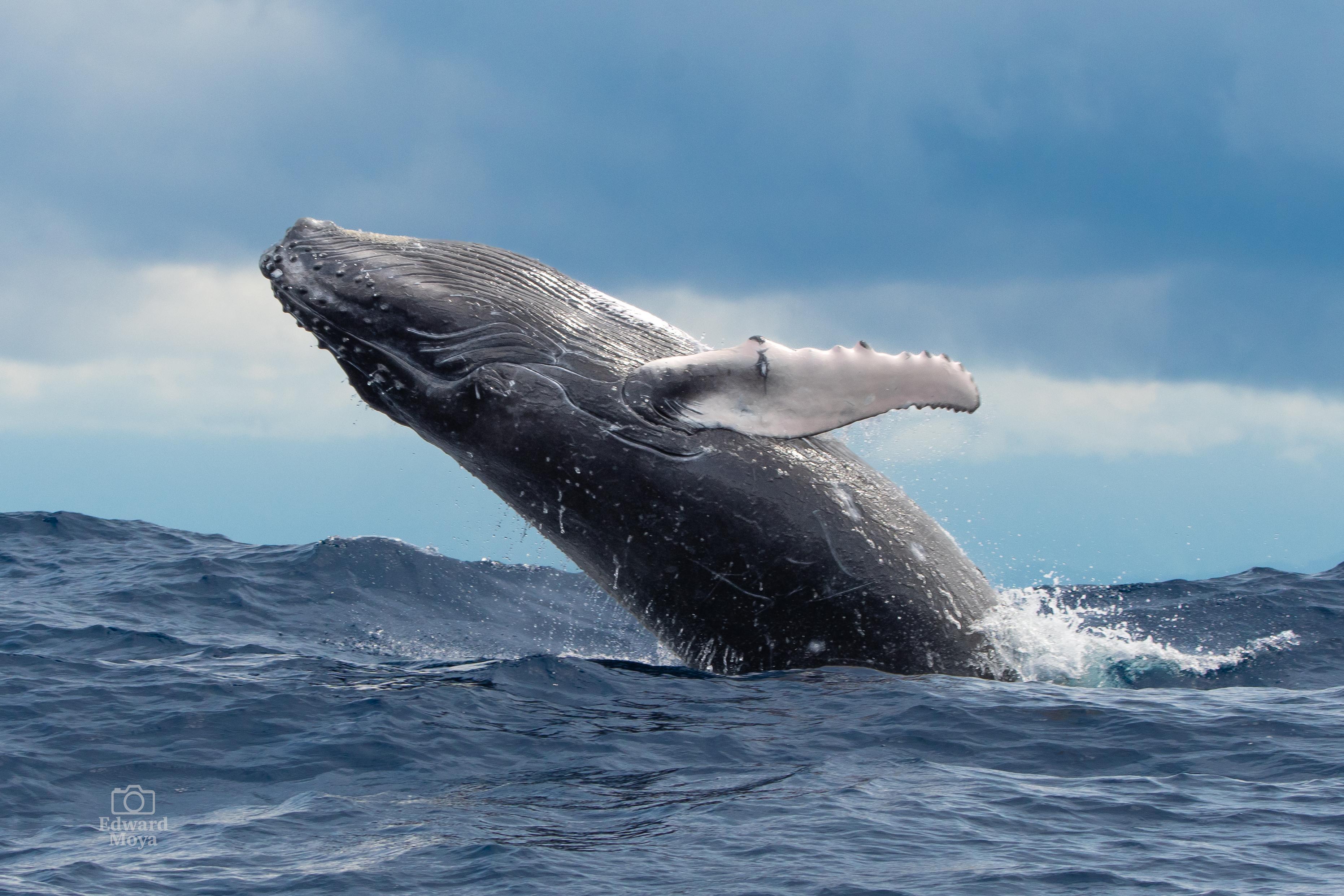
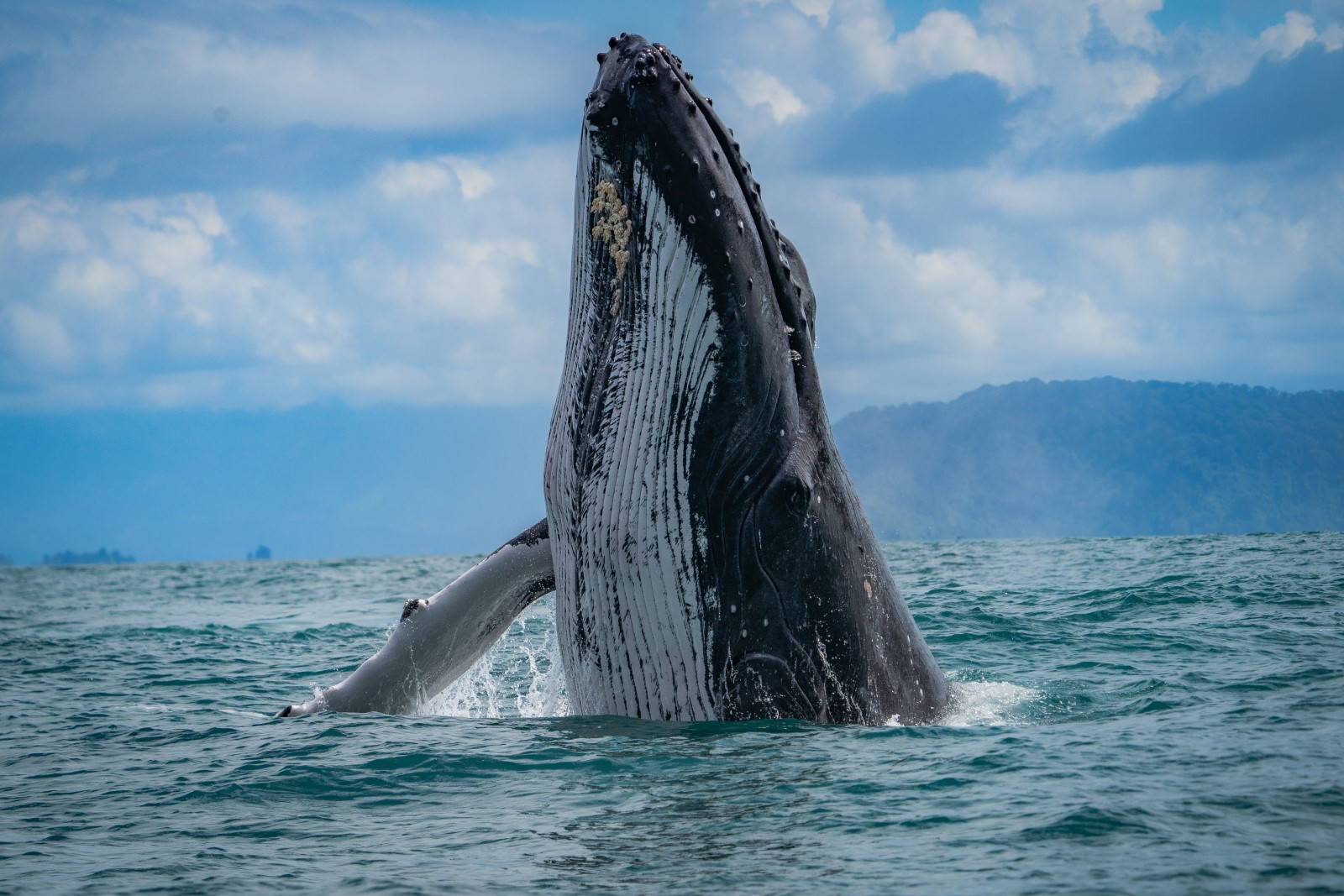
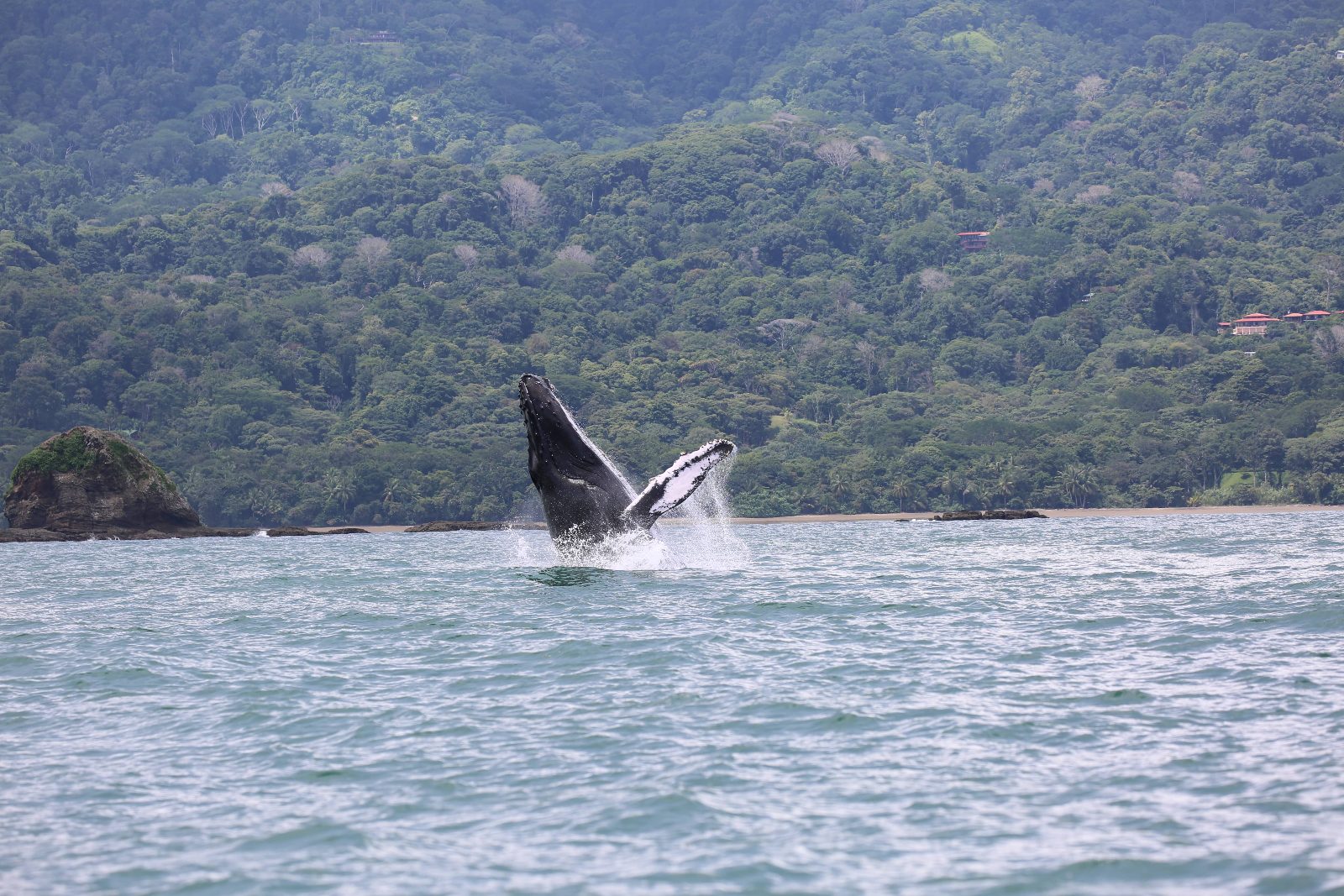
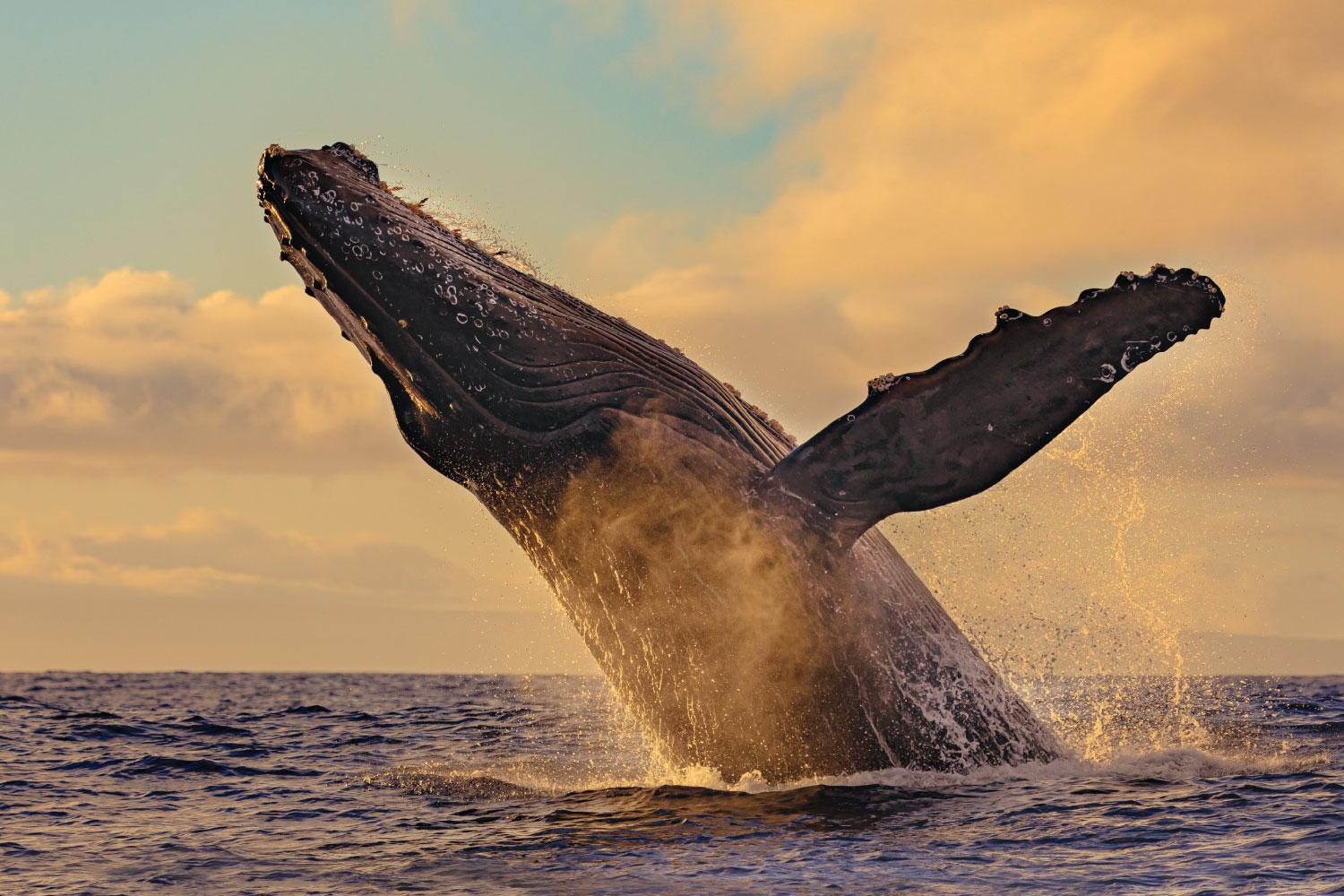
Back at the beach, a boat crew calls your name and you wade to a panga. A uvita whale watching tour usually runs three to four hours. You round Isla Ballena, watch frigatebirds hang over the cliff, then sit with the engine cut while the captain scans. A blow appears at two o'clock — low, bushy, angled. During the uvita whale watching season a mother and calf may surface twice before sounding. You watch the fluke lift, then nothing, then the wake closing over.
The park is open daily from 07:00–18:00 for visitors to enjoy the coastline and prepare for tours.
Yes, there is a 6 USD conservation fee per person required for entry into the national park.
The best time for uvita whale watching is during the southern migration in August and September or the northern migration from December to April.
It is highly recommended to book your uvita whale watching tickets or tours in advance, especially during the peak months of August and September.
Yes, the Whale Tail landmark is only accessible during low tide, which is essential to factor into your day.
Most operators allow all ages, but please confirm specific safety policies with your chosen uvita whale watching tour provider.
Some tours include snorkeling, but confirm the itinerary when purchasing your uvita whale watching tickets.
Parking is available at the Uvita sector entrance for a small fee; look for signs near the park gate.
You may bring personal items like cameras and sunscreen, but follow all operator rules regarding equipment on your uvita whale watching tour.